
Water hammer is one of the most destructive phenomena threatening main pipelines in pumping stations and water networks — yet it is ignored in many projects until disaster strikes: a burst main, shattered valves, or a complete station outage.
What actually happens inside the line?
When a valve closes suddenly or a pump trips (a power cut, for example), the kinetic energy of the moving water converts into a pressure wave that travels back and forth along the line at nearly the speed of sound. This wave can reach several times the design operating pressure within seconds — beyond what pipes, fittings or inline equipment can withstand.
When is the study mandatory?
- Long discharge lines of lifting and pumping stations
- Lines with significant elevation changes or high points
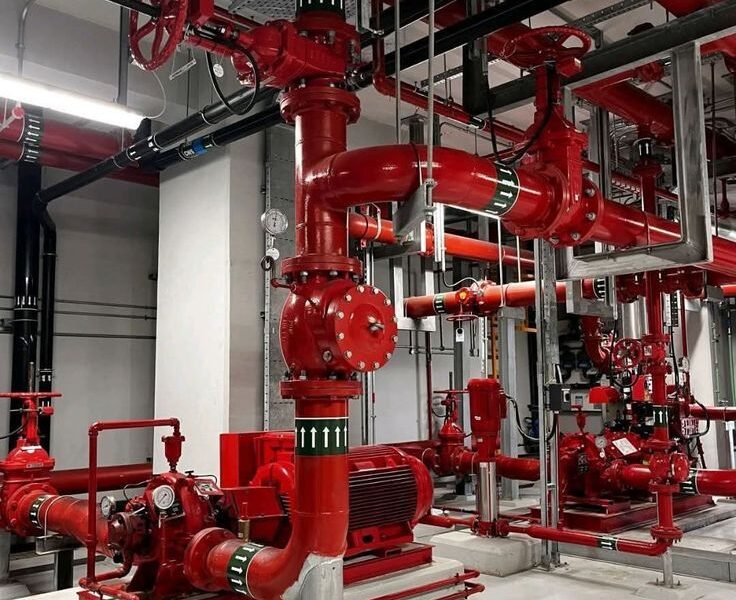
- Fire networks relying on high-capacity pumps
- Industrial water networks in continuously operating plants
COME’s transient analysis methodology
We build a complete hydraulic model of the line — lengths, diameters, elevations, pump and valve characteristics — then simulate sudden-trip and fast-closure scenarios to determine maximum and minimum expected pressures at every point. Based on the results we design the right protection:
- Surge vessels and balancing chambers
- Double-purpose air valves at high points
- Slow-closing check valves and programmed control valves
- Soft start/stop pump sequencing
Bottom line
The cost of a water hammer study at design stage is nothing compared to repairing a burst main or a plant shutdown. COME has performed these analyses for major petroleum and water projects for over three decades — we always recommend including them in the basic design package, not as a remedy after failure.